

 Čeština
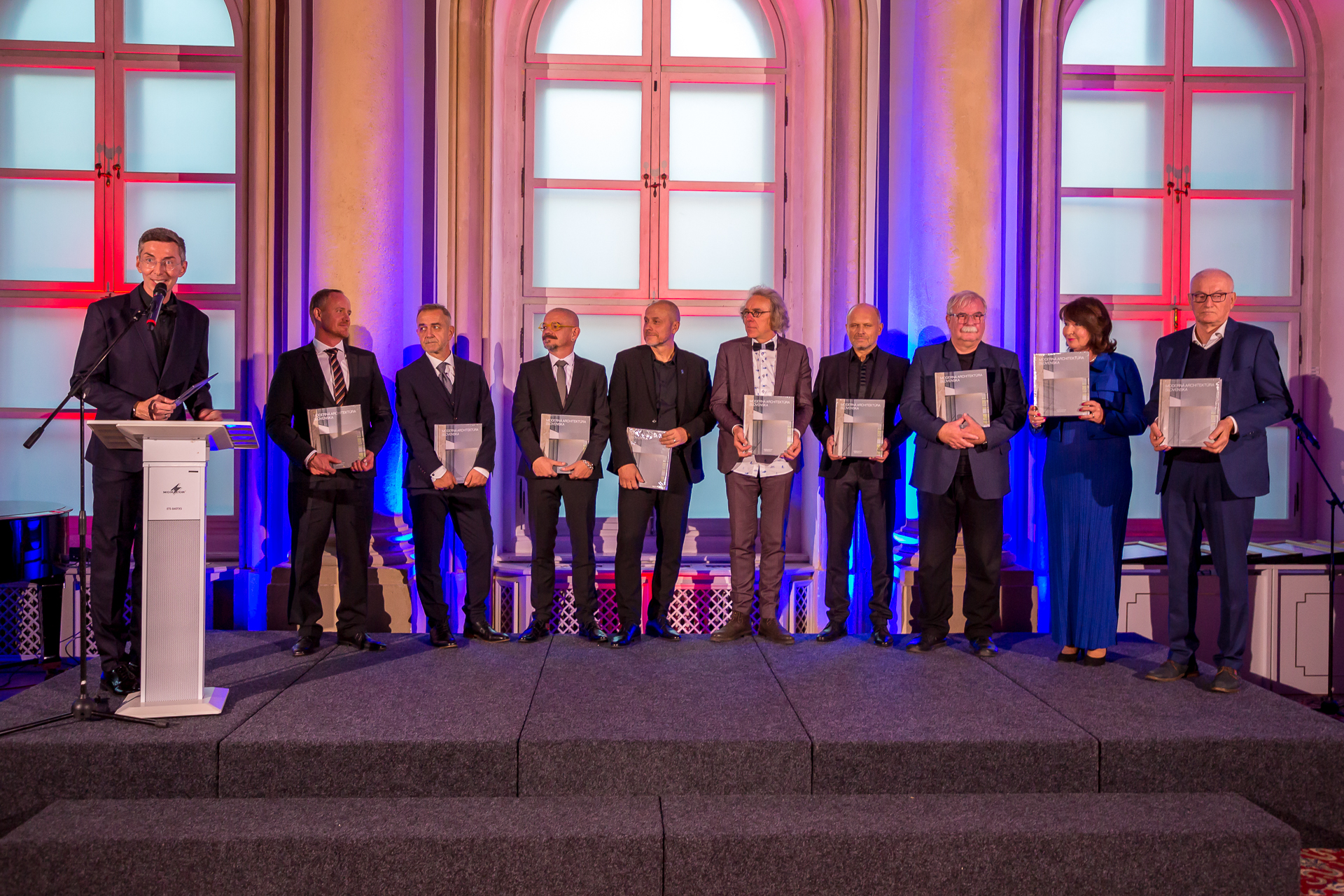
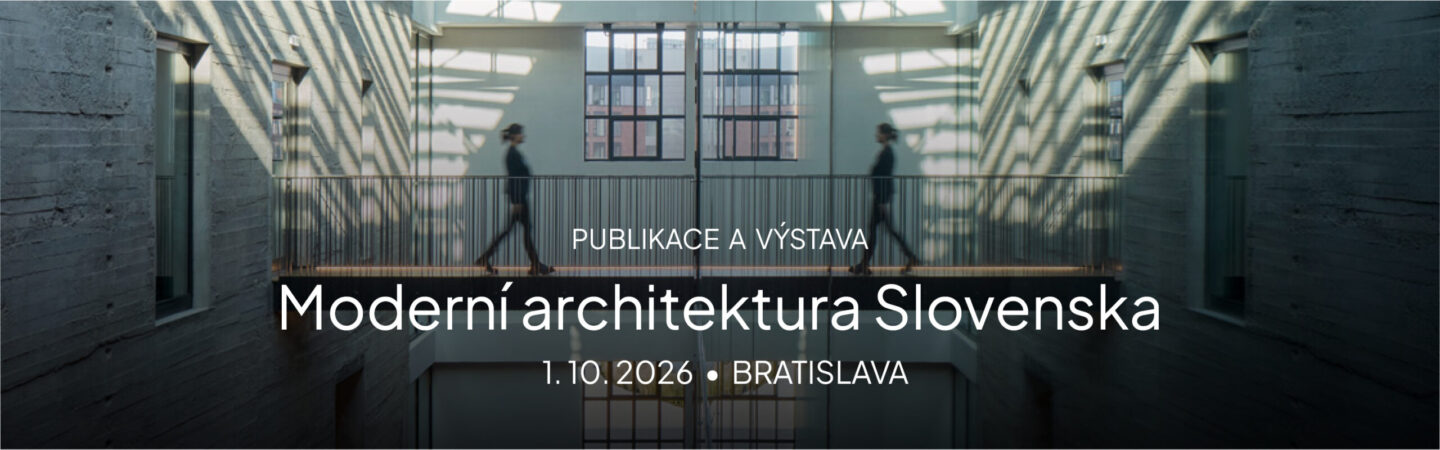
Bratislava, 1 October 2026 – The Hall of Mirrors of the Primate’s Palace hosted the official launch of the publication Moderná architektúra Slovenska (Modern Architecture of Slovakia). Across 381 pages, the book presents 159 of the most significant works of Slovak modern architecture from 1900 to the present.
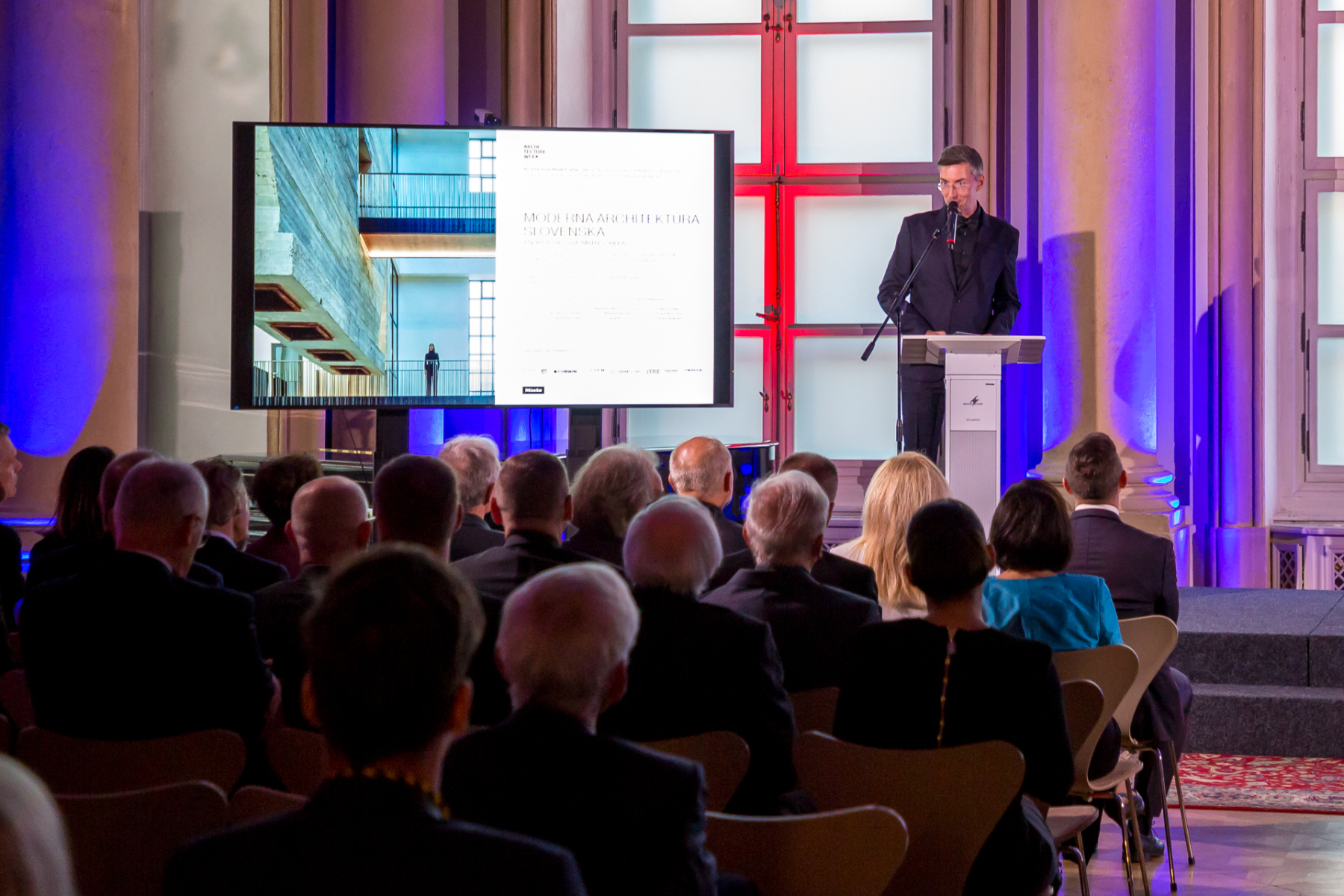
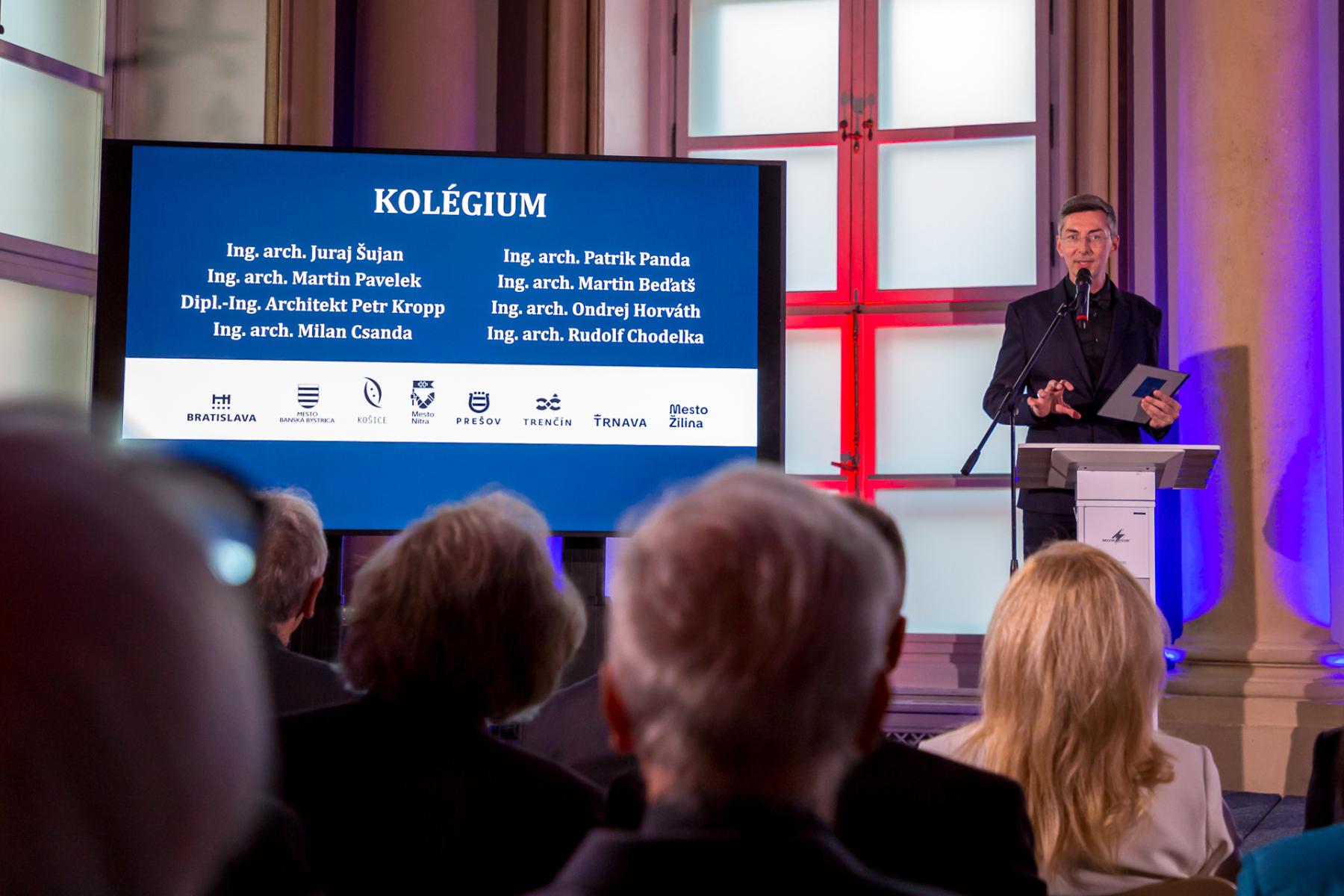
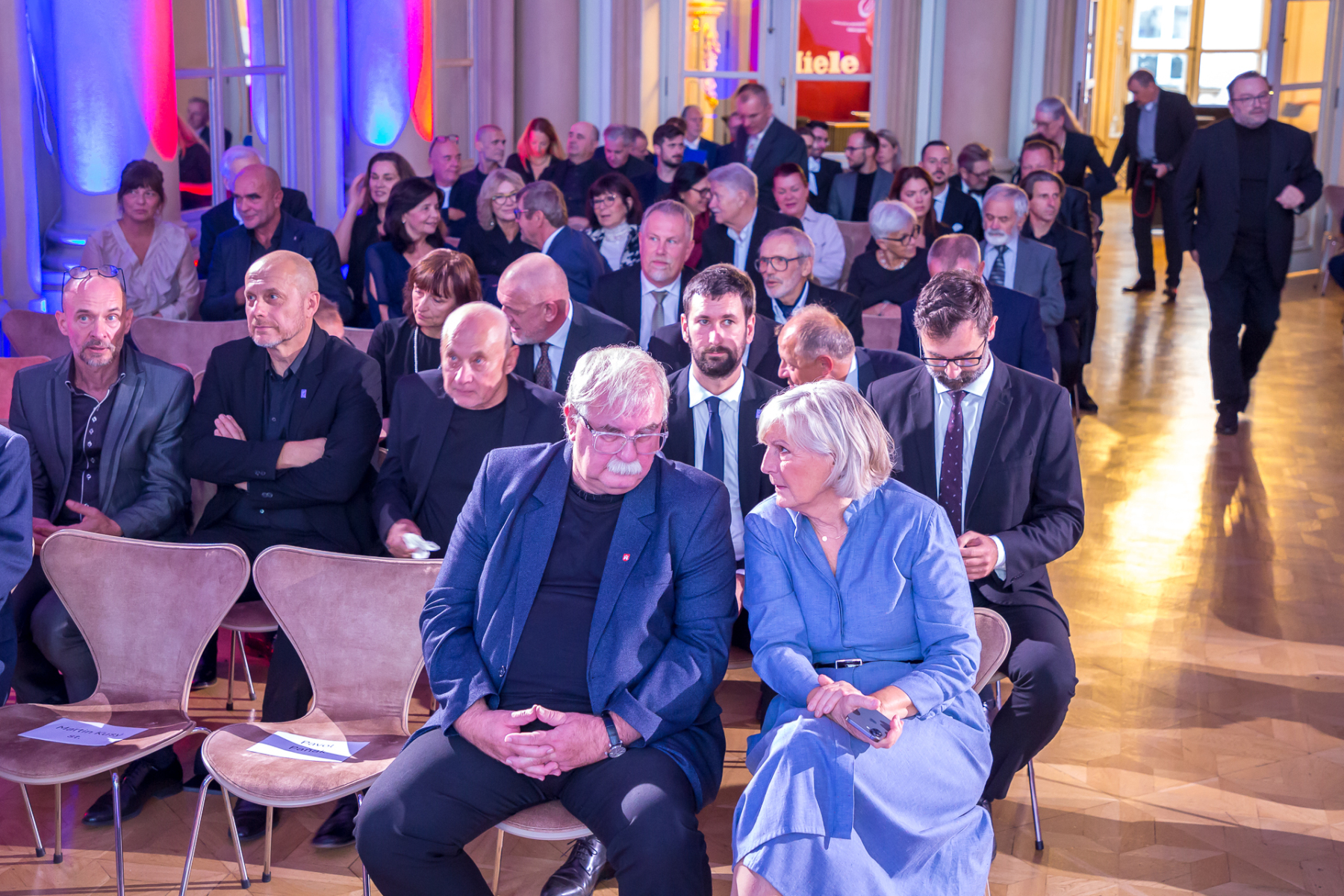
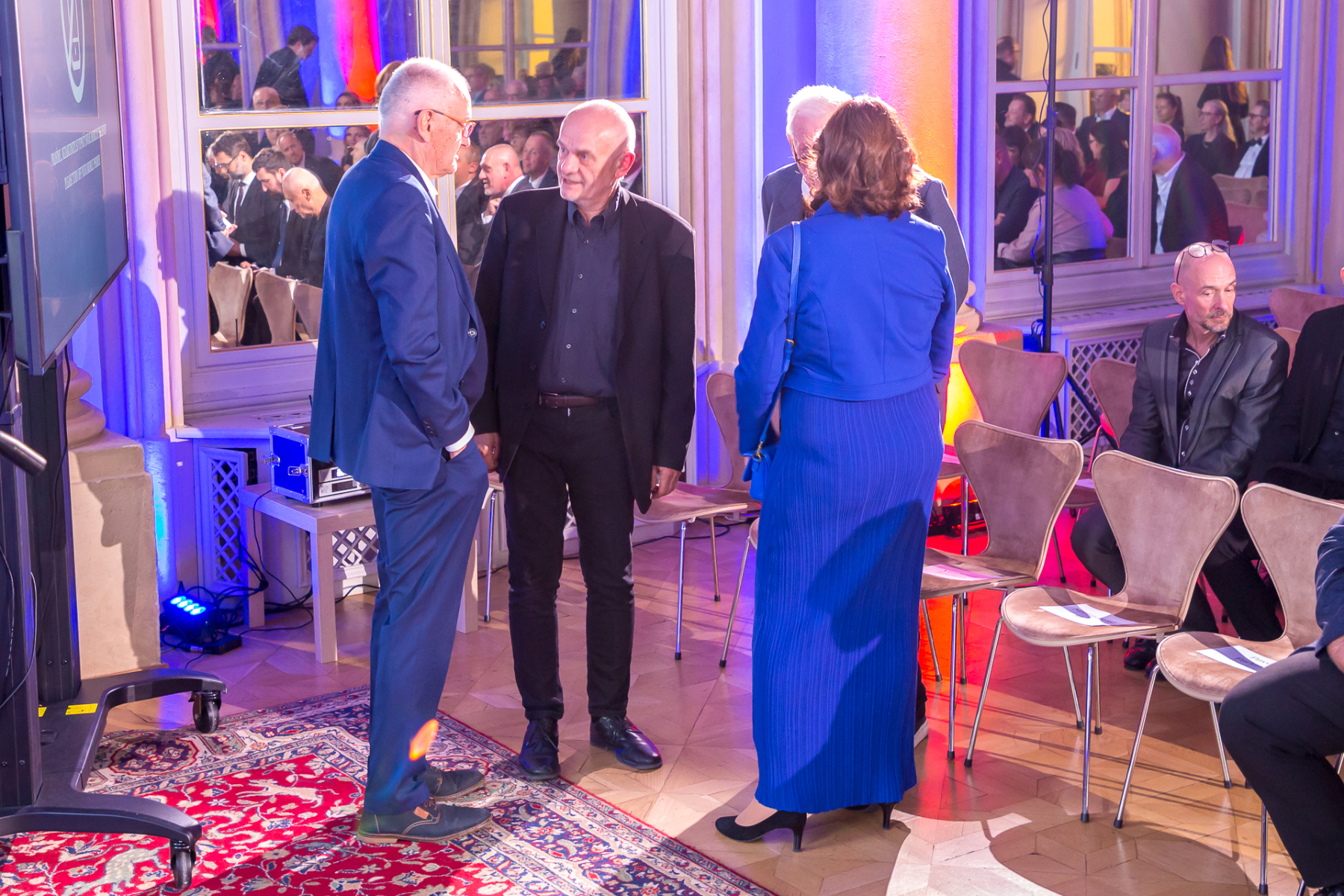
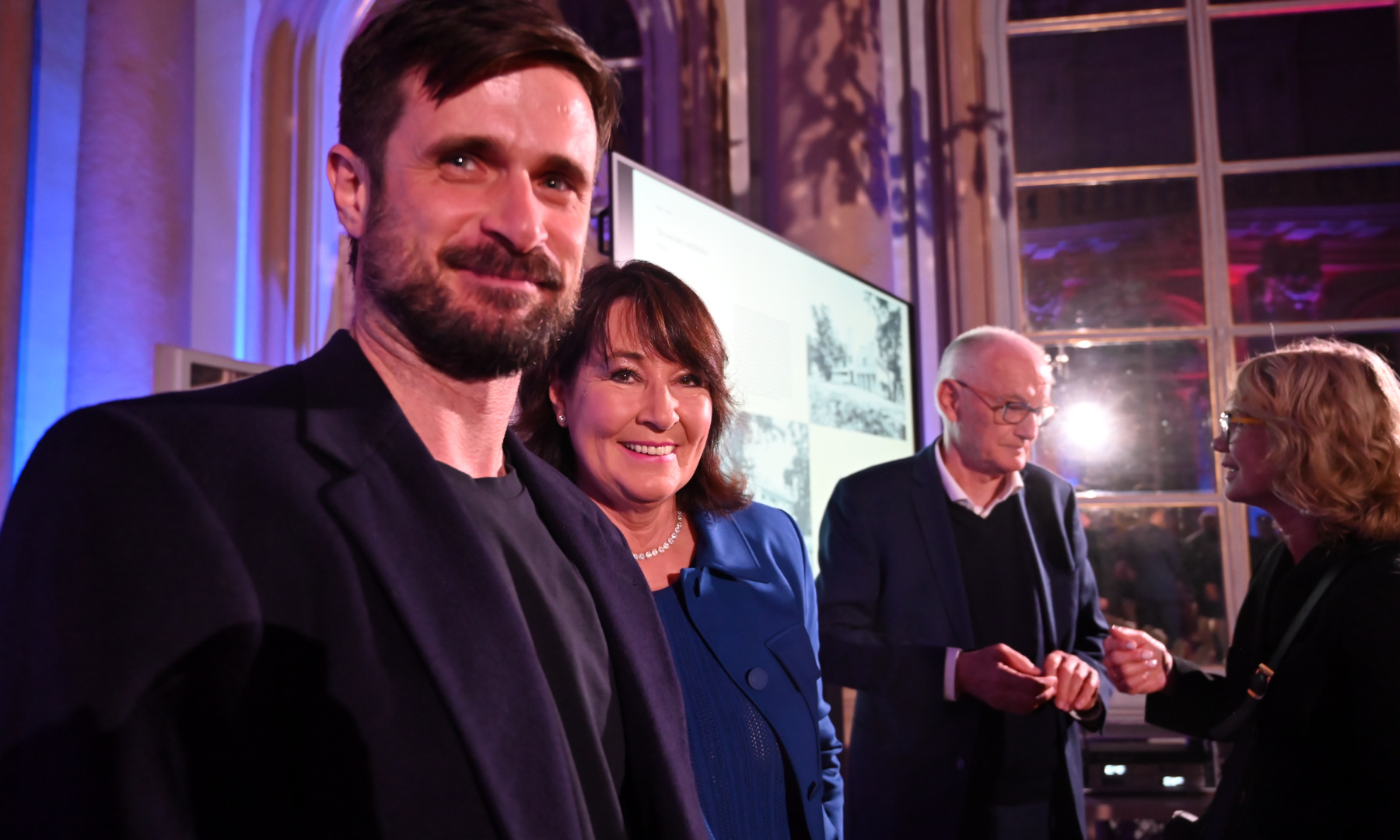
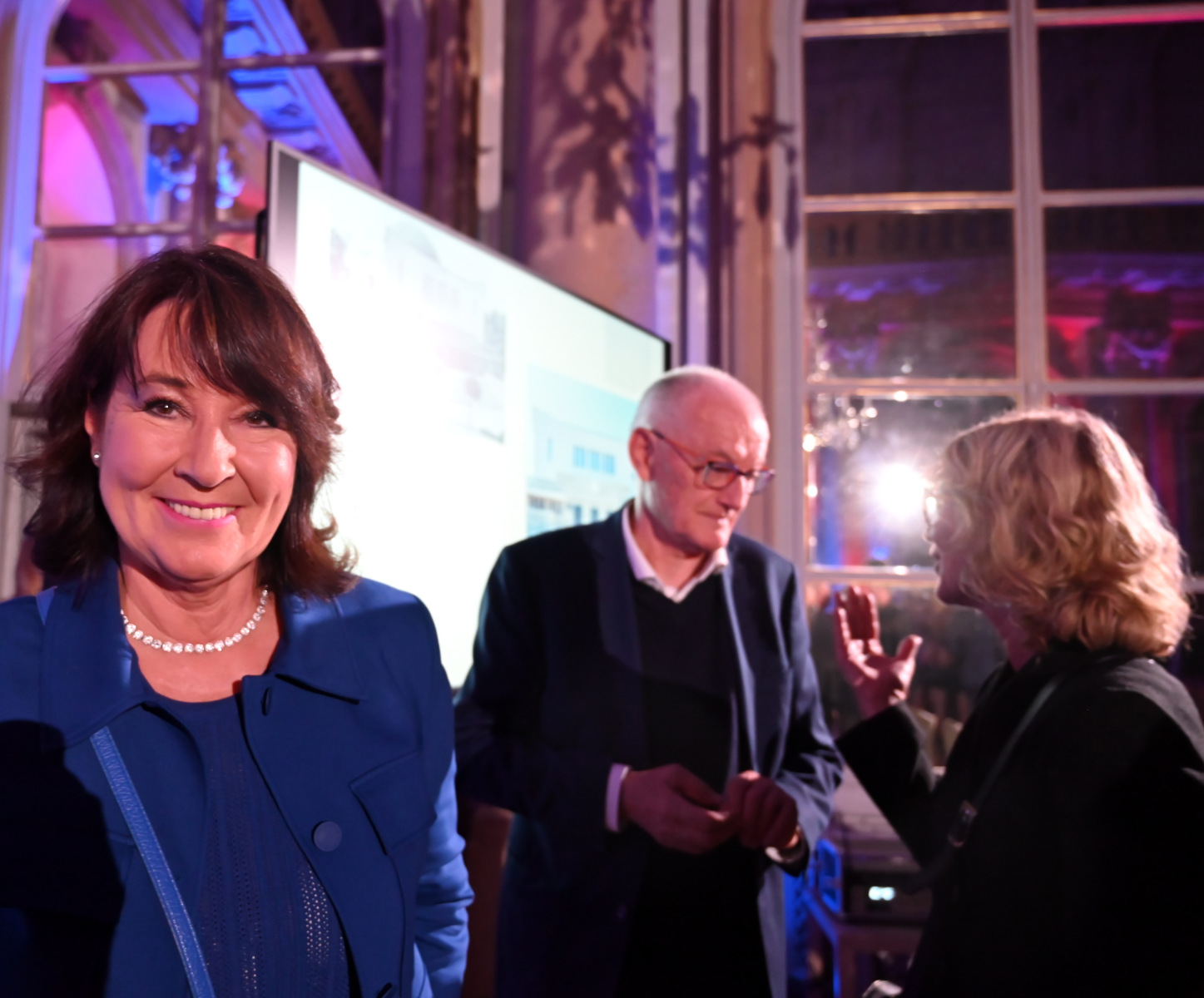
The evening was hosted by Martin Staňo, who welcomed guests at 6 pm, among them the authors of the publication and delegations from eight Slovak cities: Bratislava, Banská Bystrica, Košice, Nitra, Prešov, Trenčín, Trnava and Žilina. Also in attendance were Nora Vranová, Chair of the Slovak Chamber of Architects, Igor Teplan, Chair of the Society of Slovak Architects, and Thomas Vonier, President Emeritus of the International Union of Architects (UIA).
In his opening remarks, the host thanked the cities for their professional and financial support of the publication. He paid special tribute to the cities’ chief architects, who formed an expert “ring of eight cities”, which he described as the main strength of the entire publication.
A selection from hundreds of buildings
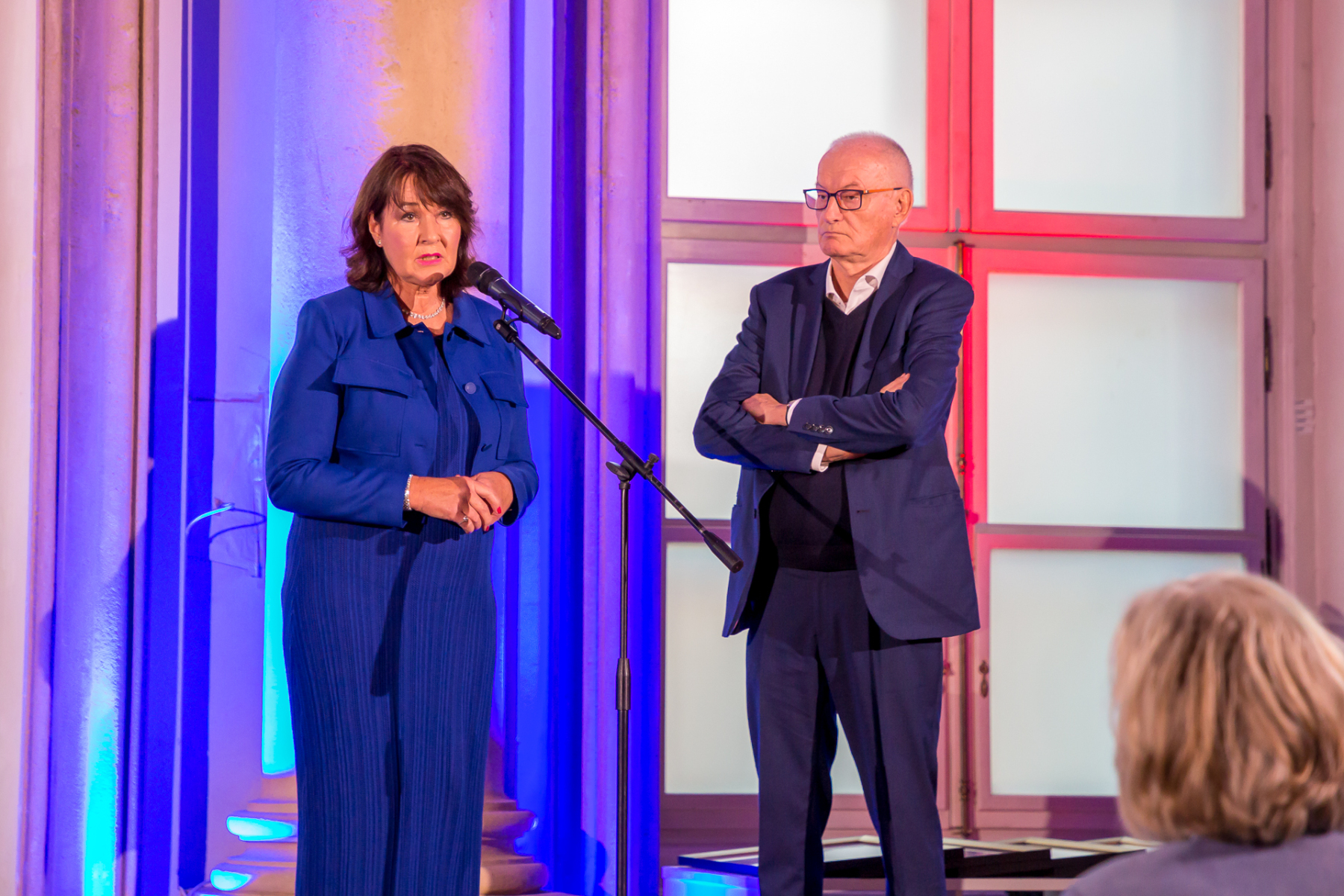
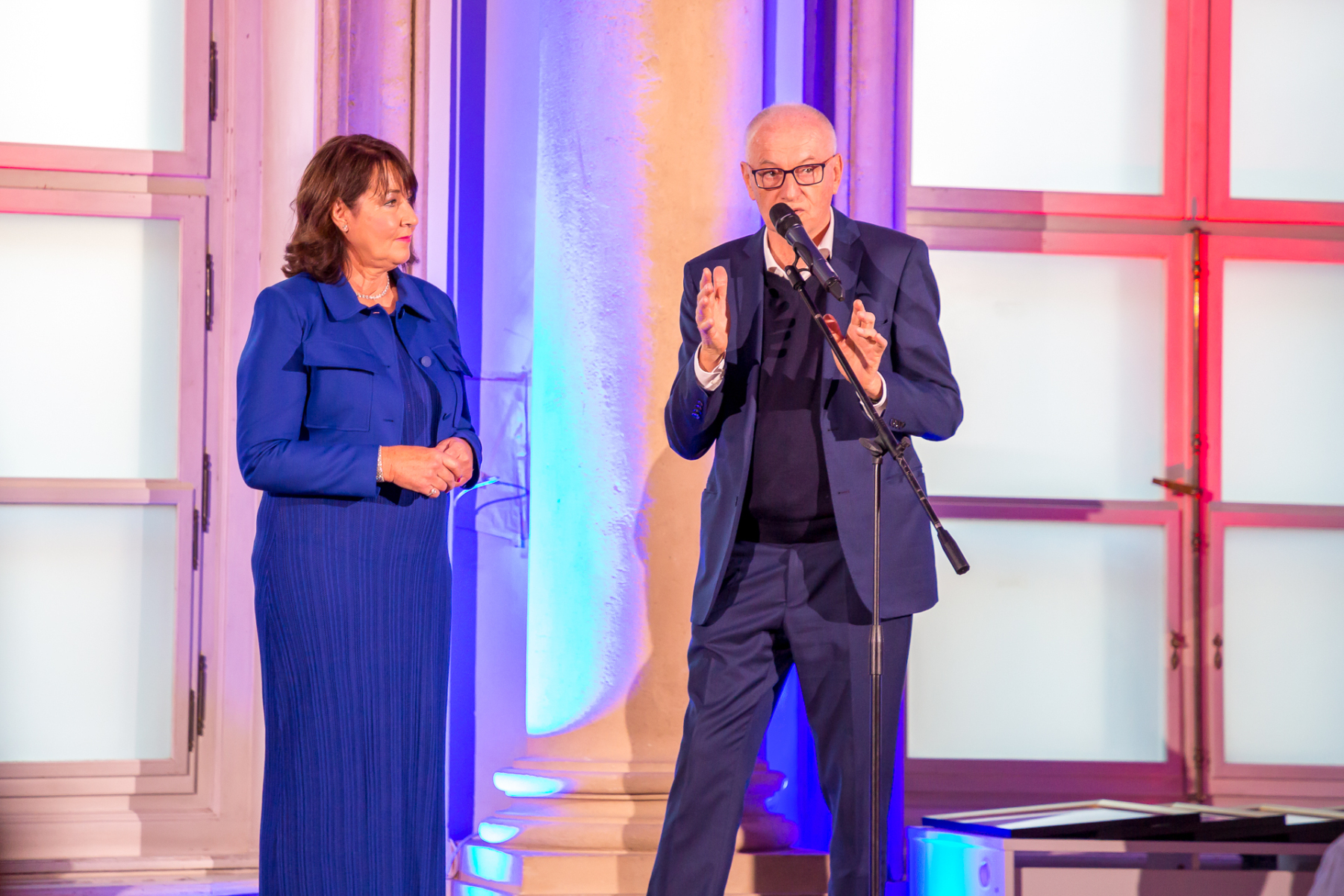
The first to speak were the publication’s chief editors, Assoc. Prof. Andrea Bacová and Prof. Matúš Dulla. They thanked everyone involved in creating the book and described how challenging it was to select only the most significant buildings from hundreds of nominations from across Slovakia. They emphasised that the book presents the architecture of the entire Slovak Republic to both domestic and international audiences.
Prof. Dulla also highlighted the companion publication Sprievodca modernou architektúrou Slovenska (Guide to Modern Architecture of Slovakia). Across 312 pages, the guide devotes a separate page to each of the selected buildings, presenting all eight regional cities through the selections of their chief architects.
The ring of eight cities
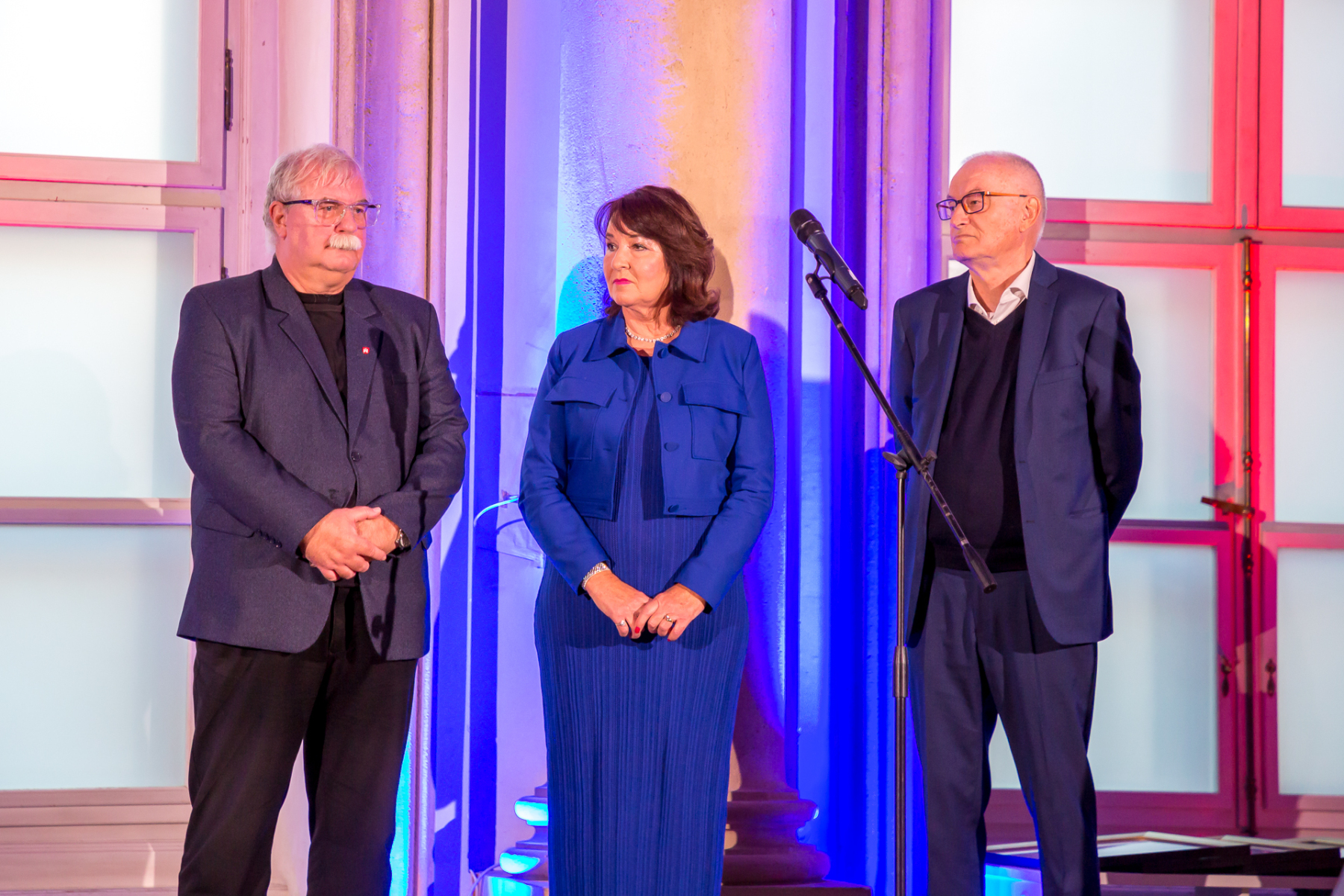
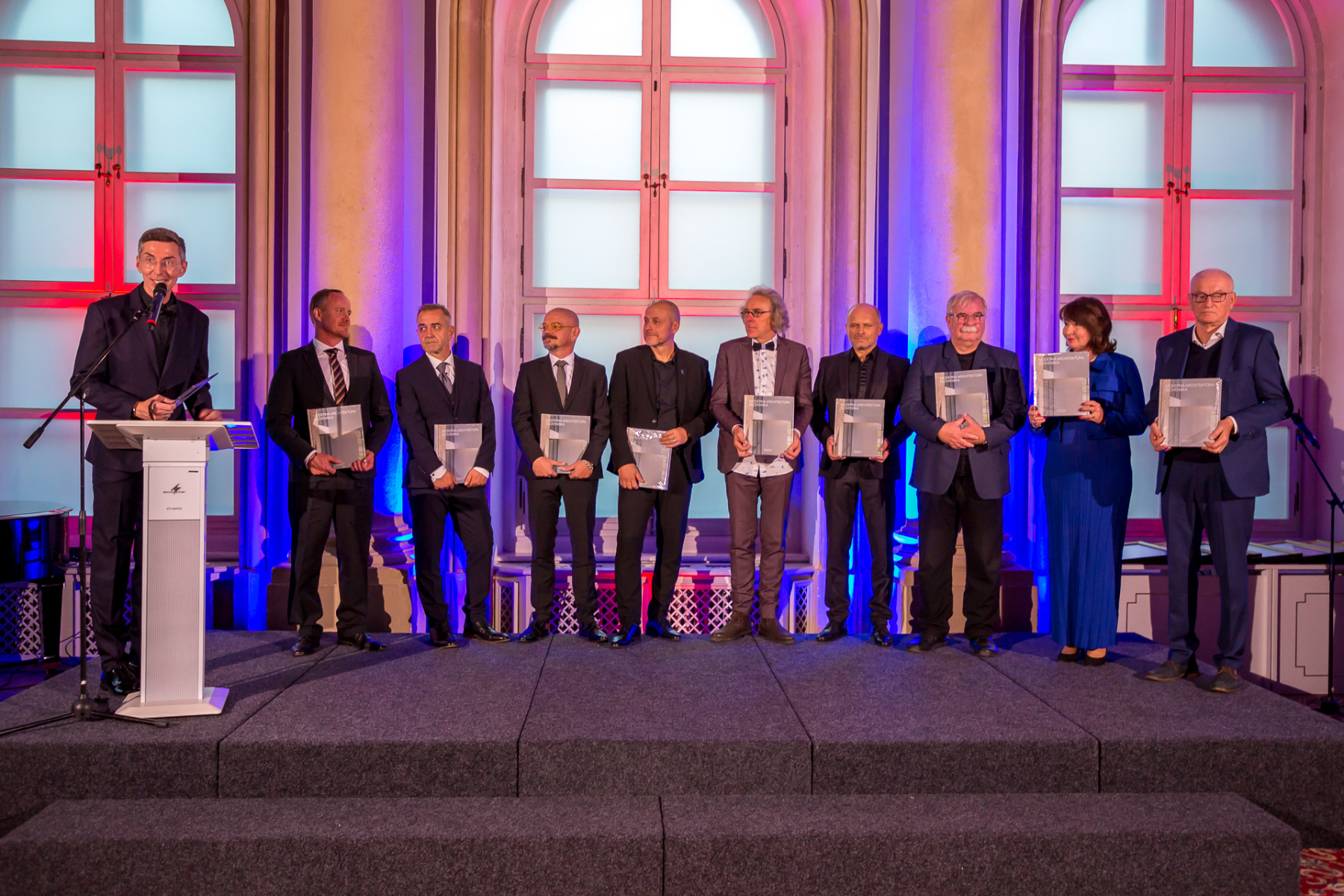
The chief architects of all eight cities then joined the editors on stage:
- Ing. arch. Juraj Šujan (Bratislava)
- Ing. arch. Martin Pavelek (Banská Bystrica)
- Dipl. Ing. Arch. Petr Kropp (Košice)
- Ing. arch. Milan Csanda (Nitra)
- Ing. arch. Patrik Panda (Prešov)
- Ing. arch. Martin Beďatš (Trenčín)
- Ing. arch. Ondrej Horváth (Trnava)
- Ing. arch. Rudolf Chodelka (Žilina)
Speaking on behalf of the group, Bratislava’s chief architect and head of the board, Juraj Šujan, recalled the importance of the publication and thanked everyone who made it possible, as well as his co-authors.
The publication was created under the patronage of the President of the Slovak Republic, Peter Pellegrini, and the Archbishop of Bratislava, Mons. Stanislav Zvolenský. Both the book and the guide are published in Slovak and English. All ten speakers on stage received the first copies and, to the applause of a full hall, symbolically launched the publication.
Later in the evening, Thomas Vonier praised the English edition in particular. In his view, it will enrich the international debate on architecture and show that Slovakia has something to say, as it has since the days of Dušan Jurkovič and Emil Belluš.
From Bratislava to all of Slovakia
The organiser and publisher Petr Ivanov, director of the International Festival of Architecture and Urbanism Architecture Week, recalled that the idea for the book was born after last year’s publication on the architecture of Bratislava. Immediately after its presentation, he began planning a nationwide publication together with Juraj Šujan. He once again thanked above all the cities and the authors.
The book launch was the first part of the evening. In the second part, the Architectura Danubii awards for lifetime contribution to architecture and heritage conservation were presented for the first time. [link to the awards article]
About the publication – in the authors’ words
The publication Moderná architektúra Slovenska presents the rich history and dynamic development of modern architecture in Slovakia from 1900 to the present. As a specific form of representing the world, architecture speaks not only of the state of culture and civilisation, but also reflects current social values. It is an instructive bridge to understanding our own history and discovering the values that shape our view of the future. The book offers a unique look at key architectural works and the output of major figures who shaped, and continue to shape, the architectural face of Slovak towns and landscape. It is an exceptional architectural encyclopaedia presenting 159 of the most significant works from each historical period, from early modernism and functionalism through post-war construction to the contemporary architectural scene. A rich pictorial section offers large-format photographs of landmark buildings and urban ensembles, accompanied by floor plans and other project documentation. The book is an inspiration and an open invitation for readers who wish to discover the values, diversity and uniqueness of Slovak architecture in a European context. It is published in Slovak and English.
Andrea Bacová, Matúš Dulla